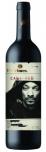
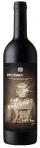
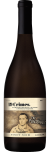
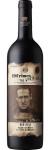
Grapes from sites throughout Napa Valley were harvested at optimal maturity, then de-stemmed and gently crushed into open-top stainless steel fermenters. Fifteen percent of the wine underwent malolactic fermentation in barrel, contributing to a richer mid-palate texture and well-integrated new oak component. The wine was further aged in a variety of oak barrels prior to blending and bottling for 18 months in American and European oak barrels.
| Producer |
| The deep roots of Beaulieu Vineyard were first planted back in 1900, when founder Georges de Latour noticed similarities with his native Bordeaux and declared the Napa Valley ideal for winemaking. He followed up on this belief by planting vineyards in Rutherford with grafted, phylloxera-resistant French vines. The Cabernet Sauvignons that de Latour crafted from these grapes gave the world its first taste of California’s promise as a world-class winemaking region. In 1938 de Latour hired the young Russo-French enologist Andre Tchelistcheff, who would become California’s most distinguished winemaker. Tchelistcheff’s knowledge of traditional French techniques and willingness to experiment in local conditions brought BV the Grand Sweepstakes Award at the Golden Gate International Exposition, and led to the creation of Napa Valley’s first reserve wine, Beaulieu Vineyard Georges de Latour Private Reserve Cabernet Sauvignon.
|